

Remote work is becoming the standard for many companies, offering flexibility and access to talent worldwide. However, despite its benefits, many remote teams struggle to maintain productivity and cohesion. A primary reason for these struggles is the lack of the Right Communication Platform. Without an effective tool, messages are missed, deadlines are overlooked, and team members often feel isolated. Choosing the right platform is essential for smooth workflows, proper collaboration, and team success.
The Role of the Right Communication Platform in Team Productivity
Communication is the backbone of any team, and this is even more critical for remote teams. The Right Communication Platform allows teams to share updates, assign tasks, and collaborate on projects efficiently. Without it, important information can get lost, instructions can be misinterpreted, and employees may struggle to stay on track. A strong communication platform ensures that everyone is on the same page, improving accountability, transparency, and productivity.
Remote teams need more than just messaging apps; they require platforms that integrate video calls, file sharing, and task management. When communication is clear and centralized, teams can work faster, make better decisions, and reduce errors caused by misunderstandings.
Common Reasons Remote Teams Fail
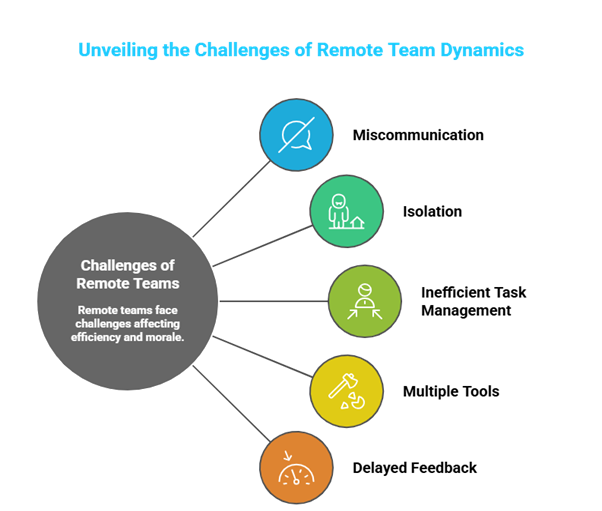
Remote teams often face challenges that can decrease efficiency and morale. Understanding these issues can help identify the need for the Right Communication Platform:
- Miscommunication: Important messages may be missed or misunderstood, leading to mistakes.
- Isolation: Employees working remotely can feel disconnected from colleagues, affecting engagement.
- Inefficient Task Management: Tracking assignments, deadlines, and responsibilities becomes difficult without a structured system.
- Multiple Tools: Using separate apps for messaging, calls, and file sharing creates confusion and reduces productivity.
- Delayed Feedback: Without instant communication, problems can take longer to resolve, slowing progress.
All of these challenges often stem from the absence of a single, reliable platform that consolidates all communication and collaboration.
How the Right Communication Platform Solves These Problems
Implementing the Right Communication Platform can transform a struggling remote team into a high-performing one. Key benefits include:
- Centralized Communication: All conversations, updates, and files are available in one place.
- Real-Time Collaboration: Teams can brainstorm, share ideas, and solve problems instantly.
- Enhanced Transparency: Managers can monitor progress, provide feedback, and address challenges quickly.
- Time Efficiency: Notifications, reminders, and task tracking reduce missed deadlines.
- Employee Engagement: Team members feel connected, valued, and motivated to contribute.
By addressing these core issues, the right platform strengthens both workflow efficiency and team cohesion.
Tips for Choosing the Best Platform
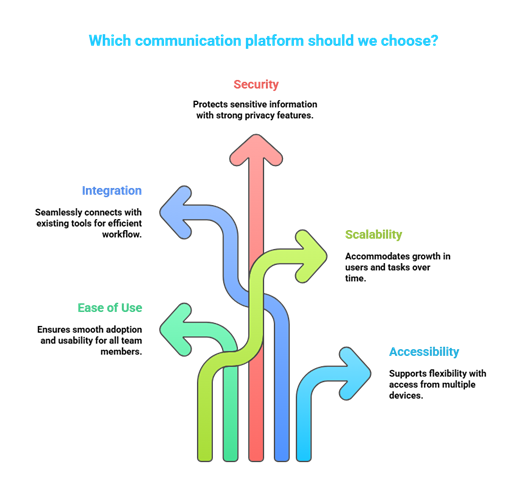
Selecting the ideal communication platform requires careful consideration:
- Ease of Use: The tool should be intuitive and simple for all team members to adopt.
- Integration: It should work seamlessly with existing apps like calendars, email, and project management tools.
- Security: Ensure strong privacy and encryption features to protect sensitive information.
- Scalability: Choose a platform that can grow alongside your team and handle increased users and tasks.
- Accessibility: Make sure the platform can be accessed from multiple devices to support flexibility.
Careful evaluation ensures that teams adopt a platform that enhances collaboration rather than complicates it.
Building Stronger Teams
Remote teams often fail due to poor communication, unclear responsibilities, and weak collaboration. The Right Communication Platform addresses these challenges efficiently. It creates a central hub for communication, organizes tasks clearly, and promotes engagement among team members. By investing in a reliable platform, teams can maintain productivity, enhance accountability, and foster strong relationships even when working remotely.
The right communication platform is more than software—it is a tool that builds stronger teams. It reduces misunderstandings, keeps everyone aligned, and allows employees to work confidently knowing that information is easily accessible. Teams that prioritize proper communication are more likely to achieve their goals, meet deadlines, and sustain long-term success.