Language learning no longer requires heavy textbooks or long classroom hours. Today, people learn languages naturally while communicating. With the rise of smart tools, the best translation app has transformed everyday conversations into learning opportunities. Instead of passively translating words, users now absorb vocabulary, sentence structure, and pronunciation in real time.AI meeting translation transforms global team communication, making translation technology a powerful learning companion.
Why language learning through translation apps is the way of the future
Traditional learning focuses on memorization first and usage later. However, a language translator app flips this approach. Users practice before they even realize they are learning. Because translation happens during real conversations, learning feels practical and relevant.
Moreover, these apps support consistent exposure. Frequent interaction strengthens memory and builds confidence faster than isolated study sessions. Over time, users naturally begin recognizing patterns without conscious effort.
How the best translation app supports natural learning
Scan and read in any language using a smart reading translation app that acts as a silent teacher in your everyday learning. It helps users understand context, tone, and usage while they communicate. Unlike rigid lessons, this method adapts to personal needs.
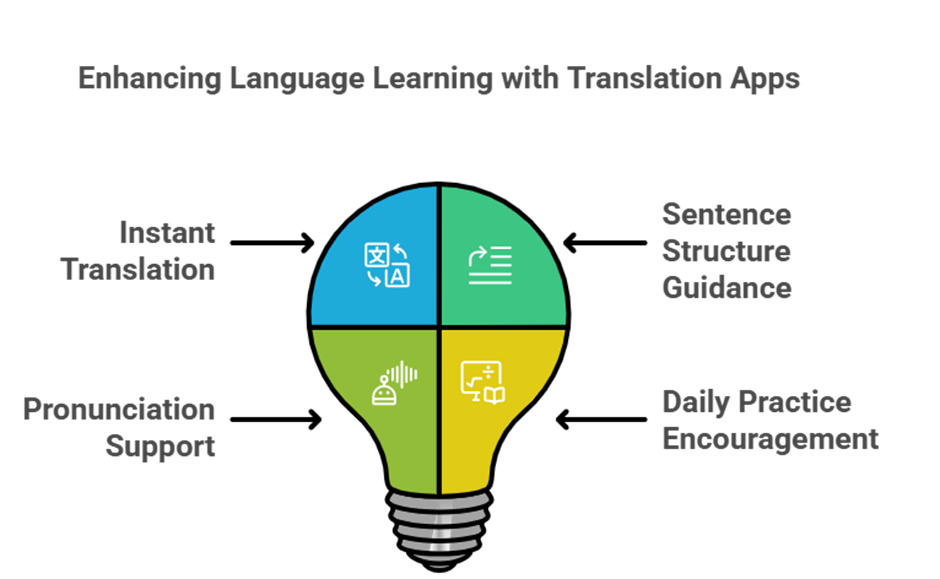
Here’s how learning happens seamlessly:
- Translates words and phrases instantly during conversations
- Highlights correct sentence structure in real-world usage
- Improves pronunciation through audio support
- Encourages daily practice without added pressure
Because learning feels effortless, users stay engaged longer. Therefore, progress becomes steady and sustainable
Real-world benefits of using a language translator app
Using a language translator app goes beyond understanding words. It builds confidence to communicate in unfamiliar situations. Travelers, students, and professionals benefit equally.
For example, travelers quickly learn survival phrases while exploring new places. Students reinforce classroom learning through daily practice. Professionals improve workplace communication without interrupting productivity.
In addition, these apps support multiple learning styles. Visual learners benefit from text and examples. Auditory learners improve through pronunciation features. Consequently, learning becomes inclusive and flexible.
Learning through context, not memorization
Context-based learning is more effective than rote memorization. When users rely on the best translation app during conversations, they associate words with situations. This association improves recall and understanding.
Furthermore, repeated exposure helps users internalize grammar naturally. Instead of memorizing rules, they learn how language flows. Over time, translations become confirmations rather than crutches.
Another advantage is reduced fear of making mistakes. Since users can check translations instantly, they feel safe experimenting. As a result, confidence grows alongside fluency.
Why translation apps are the future of language learning
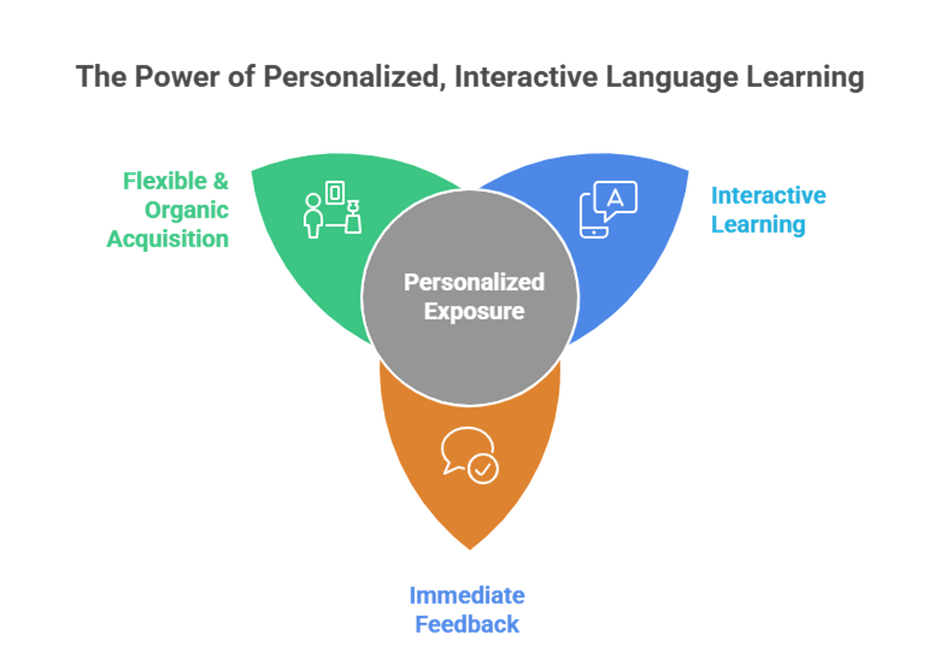
Language learning thrives on consistency and relevance. Translation apps deliver both. They integrate learning into daily routines, making practice unavoidable yet enjoyable.
Key reasons for their growing popularity include:
- Learning without scheduled study time
- Immediate feedback during real interactions
- Personalized exposure based on user behavior
- Support for multiple languages and accents
When used regularly, the best translation app becomes more than a tool. It turns into a personal language guide that grows with the user.