Becoming fluent in a new language is a common goal today. However, choosing the right learning method can be confusing. While traditional classrooms have long dominated language education, digital tools are changing the game. In recent years, translator for language learning have emerged as a powerful alternative, making it effortless to talk in any language through call translation apps. They allow users to learn while communicating, making progress feel natural and practical rather than forced
Understanding traditional language classes
Language classes follow a structured approach. Learners move step by step through grammar rules, vocabulary lists, and exercises. This method offers discipline and guided instruction, which can be helpful for beginners.
However, classroom learning has limitations. Progress often depends on schedules, textbooks, and exams. Moreover, learners may struggle to apply knowledge in real conversations. As a result, fluency can take longer than expected.
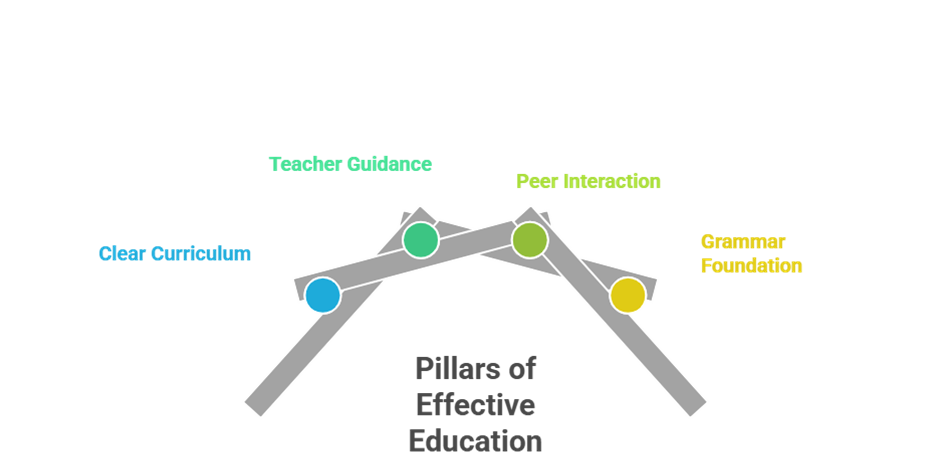
Strengths of language classes
- Clear curriculum and learning path
- Teacher guidance and feedback
- Peer interaction for practice
- Strong grammar foundation
Even so, many learners lose motivation due to slow results.
How translation apps accelerate fluency
Unlike classrooms, translator for language learning focus on real-time usage. They help users understand and respond instantly during conversations. How Interactions Changed With Technology. because learning happens through daily interaction, progress now feels faster and more engaging.
Additionally, these apps expose users to authentic language patterns. Instead of memorizing rules, learners absorb how words work in context. Over time, this builds confidence and natural fluency.
Why ai translate features matter
Modern apps rely heavily on ai translate technology. The future of smart AI translation apps that deliver Instant, Accurate, Global. As users interact more, the system improves suggestions and phrasing.
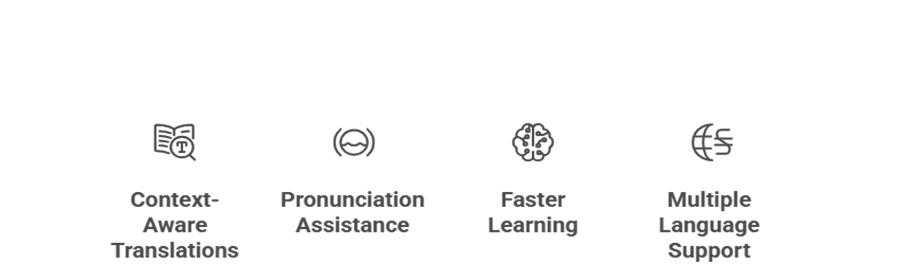
Key advantages include:
- Context-aware translations
- Pronunciation assistance with audio
- Faster learning through repetition
- Support for multiple languages
Because feedback is instant, learners correct mistakes immediately.
Comparing speed and effectiveness
When comparing fluency speed, practice frequency matters most. Language classes usually limit practice to fixed hours. In contrast, translation apps integrate learning into daily life.
For example, users translate messages, signs, and conversations throughout the day. Consequently, exposure increases without added effort. This constant engagement explains why translator apps for language learning often deliver faster results.
However, classes still benefit learners who prefer structure. Therefore, effectiveness depends on learning style.
Which method suits you best?
Choosing between classes and apps depends on goals and habits. Some learners thrive in classrooms. Others prefer flexible, self-driven learning.
Consider these points before deciding:
- Do you prefer structure or flexibility?
- Can you practice daily without reminders?
- Do you learn better through use or instruction?
Interestingly, many learners combine both methods. Computer-assisted translation supports learners who attend classes for basics while using AI translate tools for real-world practice
Translator apps for language learning
Language classes build strong foundations. Translation apps build real-world fluency. While both methods work, translation-based learning often delivers faster, more practical results. In today’s fast-paced world, tools that adapt to daily life make learning easier. For many learners, translation-powered apps are becoming the smarter path to fluency.
Empower communication. Eliminate language barriers. Partner with Ezytalk today.
Scan the QR code in the image or visit https://ezytalk.in/to explore and download Ezytalk instantly. Try Ezytalk for FREE and see how easy communication can be.