Clear communication drives academic achievement and professional confidence. However, many students struggle with grammar, tone, and structure in formal writing. Even minor mistakes can reduce clarity and credibility. Therefore, institutions increasingly recommend modern tools for communication to help students refine their expression and strengthen academic performance. These structured digital solutions support learning while preserving academic integrity and professional standards.
Why language mistakes affect academic performance?
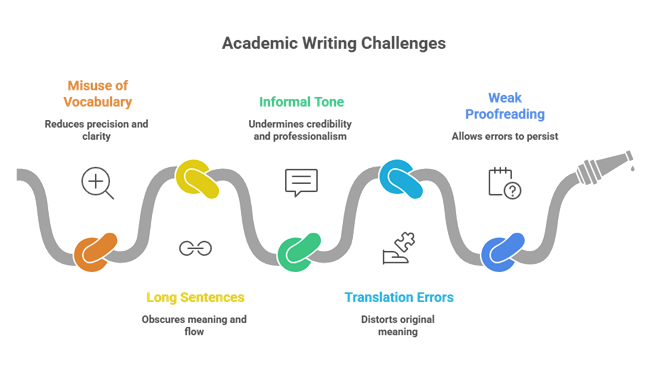
Strong communication influences research papers, presentations, and internship applications. Yet students often face recurring challenges such as:
- Misuse of academic vocabulary
- Overly long or unclear sentences
- Informal tone in formal contexts
- Direct translation errors
- Weak proofreading habits
As a result, ideas may lose impact. Moreover, repeated mistakes can affect grades and professional perception. In competitive academic environments, clarity signals competence. That is why maintaining language accuracy in higher education remains essential for long-term success.
How modern tools for clearer communication strengthen academic skills
Students frequently ask how digital platforms improve writing quality. The answer lies in structured feedback and guided correction. In fact, modern tools for clearer communication analyze grammar, tone, and sentence flow in real time. They highlight unclear phrasing and suggest refined alternatives.
Beyond writing improvement, the importance of structured communication systems is clearly explained in this guide on why remote teams fail without the right communication platform, which highlights how the right digital tools reduce confusion, strengthen collaboration, and improve overall communication efficiency.
Improving clarity and structure
Clear writing begins with simple construction. Many learners unintentionally create complex sentences that confuse readers. Smart digital assistants simplify structure without changing meaning. Consequently, arguments become easier to follow.
Additionally, these platforms detect tone inconsistencies. Academic writing requires precision and objectivity. When students use modern tools for clearer communication, they receive immediate suggestions that support active learning. Over time, consistent application builds independent writing confidence.
The growing impact of such AI-driven systems is further explained in this detailed article on AI tools for translation and how they are revolutionizing education worldwide, which highlights how intelligent technologies are transforming language learning and academic communication.
Supporting confident communication beyond writing
Academic growth extends beyond written assignments. Presentations, seminars, and group discussions also demand clarity. Digital language platforms often provide pronunciation guidance and contextual phrasing support. Therefore, students communicate more effectively in academic settings.
Furthermore, instant feedback reduces last-minute stress. Instead of guessing corrections, learners rely on structured support. Because of this guidance, language accuracy in higher education steadily improves. Students not only correct errors but also understand the reasoning behind each change.
Practical academic benefits
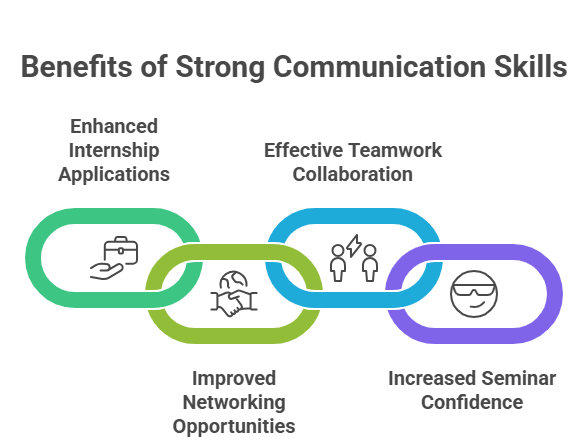
Structured communication tools provide measurable advantages:
- Higher-quality assignments
- Stronger internship applications
- Professional email communication
- Improved teamwork collaboration
- Increased seminar confidence
Each benefit contributes to sustainable academic progress. Clear communication builds trust with faculty and peers. Moreover, refined expression enhances career readiness.
Ultimately, avoiding language mistakes requires awareness, practice, and guidance. While effort remains essential, responsible use of modern tools for clearer communication accelerates improvement. These solutions do not replace learning. Instead, they support precision, clarity, and academic excellence.
Empower communication. Eliminate language barriers. Partner with Ezytalk today.
Scan the QR code in the image or visit https://ezytalk.in/ to explore and download Ezytalk instantly. Try Ezytalk for FREE and see how easy communication can be.
Frequently asked questions
What are common language mistakes in academic writing?
Common mistakes include incorrect grammar, informal tone, long sentences, and weak vocabulary choices. These errors often reduce clarity and professionalism. Therefore, consistent editing and structured guidance help prevent them.
How do digital communication tools improve clarity?
They provide real-time grammar corrections and tone suggestions. Additionally, they simplify complex sentences and improve word choice. As a result, students communicate ideas more effectively.
Why is language accuracy important in higher education?
Clear language reflects academic competence. It strengthens research credibility and professional presentation. Consequently, strong communication supports both academic and career growth.