
Remote work is becoming the standard for many companies, offering flexibility and access to talent worldwide. However, despite its benefits, many remote teams struggle to maintain productivity and cohesion. A primary reason for these struggles is the lack of the Right Communication Platform. Without an effective tool, messages are missed, deadlines are overlooked, and team members often feel isolated. Choosing the right platform is essential for smooth workflows, proper collaboration, and team success. The Role of the Right Communication Platform in Team Productivity Communication is the backbone of any team, and this is even more critical for remote teams. The Right Communication Platform allows teams to share updates, assign tasks, and collaborate on projects efficiently. Without it, important information can get lost, instructions can be misinterpreted, and employees may struggle to stay on track. A strong communication platform ensures that everyone is on the same page, improving accountability, transparency, and productivity. Remote teams need more than just messaging apps; they require platforms that integrate video calls, file sharing, and task management. When communication is clear and centralized, teams can work faster, make better decisions, and reduce errors caused by misunderstandings. Common Reasons Remote Teams Fail Remote teams often face challenges that can decrease efficiency and morale. Understanding these issues can help identify the need for the Right Communication Platform: Miscommunication: Important messages may be missed or misunderstood, leading to mistakes. Isolation: Employees working remotely can feel disconnected from colleagues, affecting engagement. Inefficient Task Management: Tracking assignments, deadlines, and responsibilities becomes difficult without a structured system. Multiple Tools: Using separate apps for messaging, calls, and file sharing creates confusion and reduces productivity. Delayed Feedback: Without instant communication, problems can take longer to resolve, slowing progress. All of these challenges often stem from the absence of a single, reliable platform that consolidates all communication and collaboration. How the Right Communication Platform Solves These Problems Implementing the Right Communication Platform can transform a struggling remote team into a high-performing one. Key benefits include: Centralized Communication: All conversations, updates, and files are available in one place. Real-Time Collaboration: Teams can brainstorm, share ideas, and solve problems instantly. Enhanced Transparency: Managers can monitor progress, provide feedback, and address challenges quickly. Time Efficiency: Notifications, reminders, and task tracking reduce missed deadlines. Employee Engagement: Team members feel connected, valued, and motivated to contribute. By addressing these core issues, the right platform strengthens both workflow efficiency and team cohesion. Tips for Choosing the Best Platform Selecting the ideal communication platform requires careful consideration: Ease of Use: The tool should be intuitive and simple for all team members to adopt. Integration: It should work seamlessly with existing apps like calendars, email, and project management tools. Security: Ensure strong privacy and encryption features to protect sensitive information. Scalability: Choose a platform that can grow alongside your team and handle increased users and tasks. Accessibility: Make sure the platform can be accessed from multiple devices to support flexibility. Careful evaluation ensures that teams adopt a platform that enhances collaboration rather than complicates it. Building Stronger Teams Remote teams often fail due to poor communication, unclear responsibilities, and weak collaboration. The Right Communication Platform addresses these challenges efficiently. It creates a central hub for communication, organizes tasks clearly, and promotes engagement among team members. By investing in a reliable platform, teams can maintain productivity, enhance accountability, and foster strong relationships even when working remotely. The right communication platform is more than software—it is a tool that builds stronger teams. It reduces misunderstandings, keeps everyone aligned, and allows employees to work confidently knowing that information is easily accessible. Teams that prioritize proper communication are more likely to achieve their goals, meet deadlines, and sustain long-term success.

Why Businesses Need a Simple and Secure Communication Platform
In today’s fast-paced business world, teams rely heavily on technology to stay connected, share ideas, and achieve goals efficiently. A simple and secure communication platform ensures that employees can share information quickly, collaborate effectively, and maintain confidentiality at all times. Selecting the right platform can make a significant difference in overall business efficiency, employee satisfaction, and organizational growth. Companies that invest in the right tools often experience smoother operations and higher team productivity. Benefits of a Simple and Secure Communication Platform Easy Collaboration Across TeamsA major advantage of a simple and secure communication platform is its ability to enable smooth collaboration across departments. Teams can share documents, schedule meetings, and communicate in real time without unnecessary confusion. The simplicity of the platform reduces the learning curve for new employees and prevents miscommunication that can lead to project delays or errors. Enhanced Security MeasuresSecurity is critical in any organization, particularly when handling sensitive or confidential information. A simple and secure communication platform integrates features such as encryption, secure file sharing, and controlled access to ensure data remains protected. Businesses can prevent costly data breaches and maintain client trust by adopting platforms that prioritize security. Cost and Efficiency BenefitsInvesting in a simple and secure communication platform also provides measurable cost savings. Centralizing communication reduces the need for multiple tools and eliminates wasted time. Teams can respond faster to client inquiries, manage projects efficiently, and maintain smooth workflows. Over time, these improvements contribute to higher revenue, better employee performance, and improved customer satisfaction. Essential Features to Consider When evaluating a communication platform, businesses should focus on usability, reliability, and security. Some features that matter most include: Intuitive interfaces that require minimal training Strong encryption protocols to safeguard sensitive data Real-time collaboration tools such as chat, video calls, and file sharing Scalability to grow with the organization Seamless integration with existing productivity tools Platforms that combine these features allow teams to work smarter and maintain data safety simultaneously. Supporting Remote Work and Flexibility Remote work is no longer optional; it is a standard part of modern business operations. Employees need reliable systems that enable them to stay connected from anywhere. A simple and secure communication platform ensures that remote teams can access all necessary resources while maintaining the same level of security as in-office setups. Flexibility combined with safety allows employees to stay productive and focused, even when working from home or different locations. Driving Productivity and Team Engagement A strong communication platform also improves overall team engagement and efficiency. By providing a centralized hub for discussions, project updates, and file sharing, employees spend less time switching between tools and more time completing meaningful work. Additionally, clear communication reduces misunderstandings and keeps projects on track, ultimately improving deadlines and team satisfaction. Key Benefits at a Glance Implementing the right communication platform brings several measurable advantages. Some of the most important benefits include: Improved team collaboration across departments and locations Enhanced data security with encryption and controlled access Increased efficiency through centralized communication tools Cost savings by reducing the need for multiple platforms Better support for remote and hybrid work environments These key points highlight why investing in a simple and secure communication platform is essential for modern businesses looking to grow and adapt. Closing Insights Investing in a simple and secure communication platform is a strategic decision for businesses seeking efficiency, collaboration, and security. Beyond improving productivity, it ensures teams remain connected, adaptable, and capable of handling modern work challenges. Choosing the right platform creates a professional ecosystem that benefits both employees and clients, helping organizations achieve sustainable growth and long-term success.
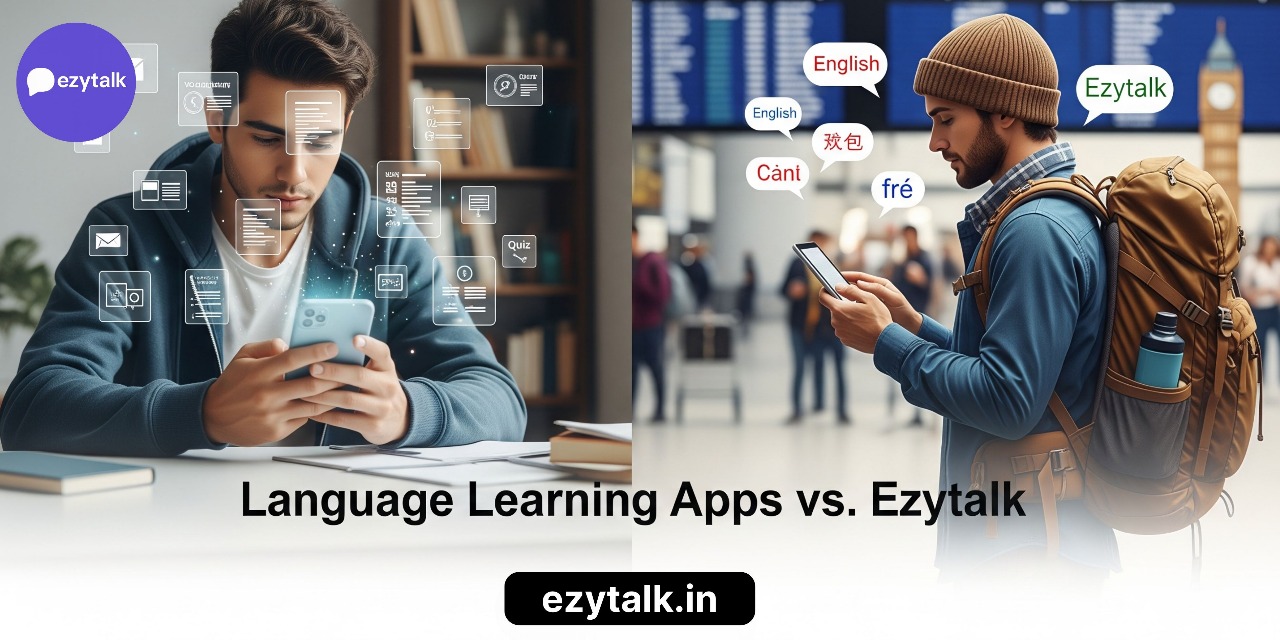
Ezytalk vs. Language Learning Apps: What’s the Difference?
Today, the world is more connected, so understanding different languages is very important.Whether it is for business, travel, or building friendships, communication is the bridge that brings people closer. Many people turn to Language Learning Apps to study new languages and improve fluency. On the other hand, EzyTalk is a language translator designed to give instant support when you need quick communication. Although they have different uses, both are valuable. You can choose the ideal tool for your needs if you are aware of the differences. What Are Language Learning Apps? Language learning platforms are created to help people learn a new language step by step. Long-term skill development and progress are their goals. Most apps include: Vocabulary practice Grammar lessons Listening and speaking activities Quizzes, games, and progress tracking These apps are helpful for anyone who wants to learn and remember a language. For example, if your goal is to speak French fluently, a learning app will slowly guide you toward that goal. But apps also have limits. They provide practice but cannot always prepare you for fast, natural conversations. Many learners understand the words in theory but struggle to use them in daily life. What Is Ezytalk? Ezytalk is not a learning platform—it is a language translator. Instead of teaching, it helps users communicate in real time. Ezytalk does not require you to speak the language. The tool translates what you want to say and helps you understand what the other person is saying. When Ezytalk is useful: Talking with business partners in another country Ordering food, shopping, or asking directions while traveling Chatting with someone who speaks a language you do not know Handling urgent situations where quick understanding is needed Ezytalk removes the pressure of learning and gives instant results. It is practical for people who need fast solutions without months of study. The Key Difference Between Ezytalk and Apps The main difference comes down to purpose. Language Learning Apps are for long-term skill building. They help you gain fluency so you can speak without help. Ezytalk is for immediate translation. It allows you to communicate right away, even if you have never studied the language. Think of it this way: If you want to be fluent in Spanish to use at work or school, a learning app is your best choice. If you are on a trip in Spain and need to order food today, Ezytalk will help you instantly. Both are useful, but they answer different needs. Combining the Two for Better Results Some people choose not to pick one over the other. Using both Ezytalk and Language Learning Apps can give you the best of both worlds. Here’s how: Use an app to build your vocabulary and grammar over time. Use Ezytalk in real situations where you are not confident yet. Slowly, as your skills improve, rely less on translation and more on your own ability. This way, you make progress while still having a safety net for real-life communication. Which One Should You Choose? The right choice depends on your personal goals. Apps are a great way to learn and improve your fluency. If you just want to communicate quickly in different situations, Ezytalk is the smarter choice. If you want both growth and instant support, using them together is the most effective approach. It is also worth thinking about motivation. Some people enjoy short lessons and progress points in apps, while others prefer the confidence that comes from instant translation. The Bottom Line Ezytalk and apps are not the same, but they are both powerful in their own ways. Apps help you learn for the future, while Ezytalk helps you speak right now. For many people, the best answer is not choosing one over the other but finding a balance that meets their needs. At the end of the day, both tools aim to make communication easier. If your focus is fluency, Language Learning Apps are the best path. If your focus is instant understanding, Ezytalk is the answer. Together, they can help you cross language barriers with confidence in today’s global world.

Top 5 Ways to Overcome Language Barriers in International Business
In today’s fast-moving world, companies are working across borders more than ever before. This gives them amazing chances to grow, reach new markets, and build global partnerships. But it also creates challenges. One of the biggest challenges is communication. Even a small misunderstanding can cause delays, harm trust, or even end a deal. That is why every company needs to know how to overcome language barriers in international business. Methods to Overcome Language Barriers in International Business 1.Use Professional Translation and Interpretation When accuracy is critical, professional translation is the best choice. Translators make sure contracts, reports, and technical documents are clear and correct. This reduces the chance of expensive mistakes. During meetings or important talks, interpreters play a key role. They make sure both sides understand each other without confusion. Benefits of professional help include: Lower risk of miscommunication Respect for your partner’s language and culture Stronger and more trustworthy relationships Spending a little more on professional translation saves money in the long run. It also shows that your company values accuracy and respect. 2.Keep Communication Simple and Clear Not every business conversation needs complex terms. Simple language often works better. Short sentences and easy words make it easier for non-native speakers to follow the message. Here are some tips for clearer communication: Avoid slang, idioms, or local phrases Use common words with direct meaning Support words with visuals like graphs, slides, or product demos When people understand each other without struggle, they can focus on building the relationship. Clear communication helps create trust and smooth teamwork. 3.Use Technology for Real-Time Support Technology has changed how companies connect worldwide. Today, tools like translation apps, live subtitles, and AI chat features make conversations easier.Translation features are even integrated into platforms like Microsoft Teams, Zoom, and Google Meet. These are useful tools, but they are not flawless. Machines may not understand cultural meaning or special business terms. That’s why human review is still important. Best way to use technology: Let apps handle quick translations Use subtitles in online meetings for better understanding Always double-check important content with human experts Technology is a great support, but it should never fully replace human understanding. 4.Train Teams in Cross-Cultural Skills Language is only one part of global communication. Cross-cultural training provides teams with the resources they require to be successful. For example, some cultures prefer direct answers, while others value a more polite and indirect approach. Training across cultures equips teams with the skills they need to be successful. It teaches them how to: Adapt to different communication styles Write polite, respectful emails Handle meetings in international settings Avoid actions that may cause offense Training also builds confidence. Employees who understand cultural differences are better prepared, more respectful, and more effective in global work. Build a Multilingual Workforce A long-term solution is to build a team that speaks more than one language. Employees who know multiple languages can act as bridges between your company and clients. This makes communication smoother and more natural. Advantages of a multilingual workforce: Easier communication with international clients Being able to communicate in their own tongue makes customers feel valued. Stronger loyalty and higher chance of repeat business Encouraging staff to learn new languages also shows that your company is serious about global growth. It’s not only about solving today’s problems—it’s about preparing for tomorrow’s opportunities. This is one of the most effective ways to overcome language barriers in international business for the future. Key Takeaway Communication is the foundation of successful global business. Without it, even the best products or services may not reach their full potential. By combining professional translation, simple language, smart technology, cultural training, and a multilingual team, businesses can remove barriers and create stronger global connections. In the end, the ability to overcome language barriers in international business is more than just a skill. It is a powerful advantage. Companies that make communication a priority are better prepared to build trust, close deals faster, and expand with confidence in the international market.

The Role of AI Translation in Business Communication
In today’s fast-paced global economy, clear and effective communication is the foundation of successful business relationships. Companies are no longer confined to their local markets. They engage with international clients, partners, and employees daily. This shift has created a strong demand for tools that break language barriers quickly and accurately. One solution gaining remarkable attention is AI Translation in Business Communication, which is reshaping how organizations connect across cultures and languages. Why Businesses Need Smarter Communication Tools Expanding into global markets means dealing with multiple languages. Traditionally, companies relied on human translators, which, while accurate, can be costly and time-consuming. Emails, contracts, marketing campaigns, and real-time customer support all require quick turnaround. Delays caused by manual translation can slow down negotiations or affect customer satisfaction. AI-powered translation tools step in here, offering near-instant results. With advances in natural language processing (NLP) and machine learning, these systems go beyond word-for-word conversions. They now understand: Context and tone of the message Industry-specific terminology Cultural relevance that makes the message effective This makes communication faster, sharper, and more professional. AI Translation in Business Communication: A Game Changer When businesses adopt AI-driven translation, they unlock several competitive advantages: Speed: Hours of manual work reduced to minutes. Consistency: Uniform terms and phrases build brand trust. Availability: 24/7 support for global clients across time zones. For instance, a brand using the same translated slogan worldwide ensures recognition and reliability. AI tools also allow instant replies to customer inquiries from Tokyo to New York, strengthening global relationships. Key Advantages of Using AI Translation 1. Cost Efficiency Hiring professional translators for every project is expensive. AI translation tools cut costs, making them especially useful for startups and SMEs. 2. Real-Time Customer Support Global companies use chatbots with built-in translation to: Provide instant answers in multiple languages Reduce waiting time for customers Improve satisfaction and loyalty 3. Collaboration Across Borders AI tools integrated into platforms like Slack, Teams, or email ensure: Teams from different countries can collaborate seamlessly Project delays due to language issues are reduced Productivity increases with fewer misunderstandings 4. Market Expansion Made Easier Expanding to new regions means localizing marketing and training content. AI translation helps businesses quickly: Adapt websites and product descriptions Translate ads for new audiences Maintain brand voice across multiple languages Challenges to Consider While the benefits are clear, businesses should be aware of potential issues: Cultural nuances: Idioms or slang can be mistranslated. Accuracy gaps: Technical documents may still need human review. Data security: Sensitive business data must remain protected during translation. The most effective strategy is frequently a hybrid one, using AI for speed and human expertise for ultimate accuracy. The Future of Global Communication AI translation is evolving rapidly. Soon, businesses can expect tools that: Detect tone and emotions in messages Adjust translations for regional dialects Offer near-human accuracy in real-time conversations This means smoother communication, faster expansion, and stronger global partnerships. Closing Insights Language should never hold back growth. With AI Translation in Business Communication, companies are breaking barriers, engaging customers, and building stronger teams worldwide. While challenges exist, the smart use of AI alongside human expertise offers the best of both worlds. Businesses that embrace these tools today are preparing for tomorrow’s borderless economy.
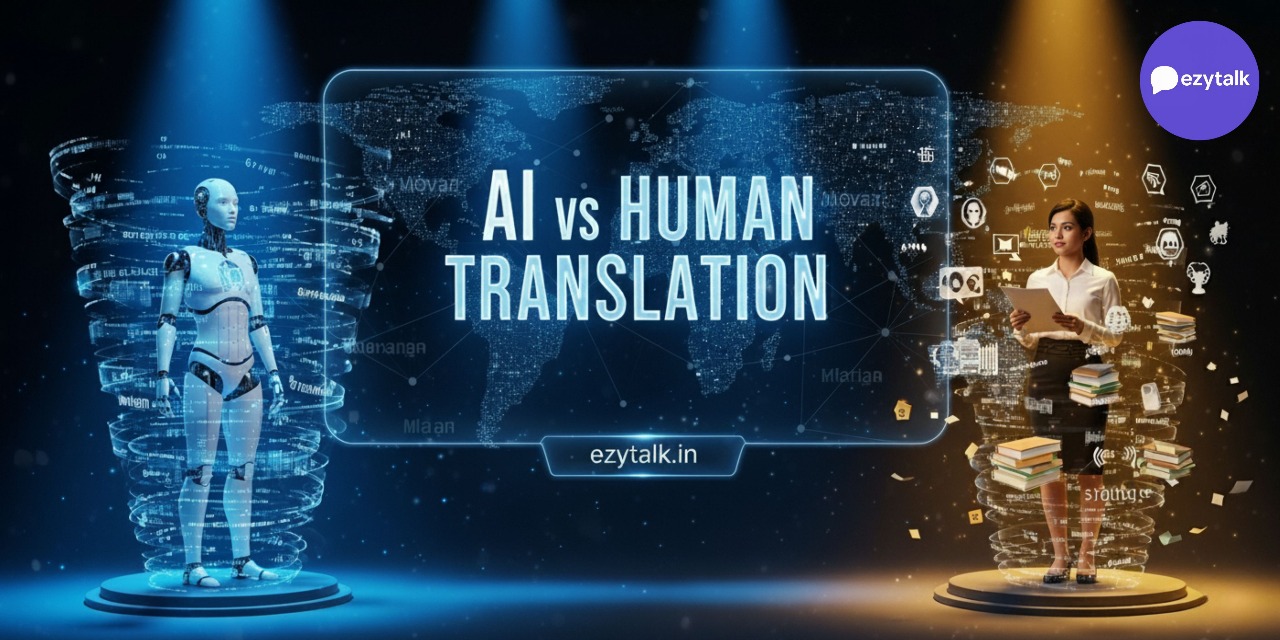
AI vs Human Translation: Which One Wins in 2025?
Language is more important than ever in today’s interconnected world. Businesses, students, and even social media users depend on translation to communicate globally. With rapid growth in technology, the debate of AI vs Human Translation is becoming very important in 2025. The big question is: should we trust machines for quick results, or rely on human expertise for deeper meaning? The Rise of AI in Translation Artificial intelligence has completely changed the way translation works. Modern AI tools can translate thousands of words instantly and support dozens of languages. This speed and efficiency make AI very popular among companies that need fast solutions. Why people choose AI translation: It gives results in seconds Costs much less than hiring a translator Available anytime, day or night Works well for emails, product details, or customer chats But while AI is powerful, it still struggles in key areas. It often misses cultural details, cannot fully understand humor, and sometimes produces awkward phrases that feel unnatural. For important content, this lack of accuracy can cause real problems. Human Translation: Accuracy and Cultural Sense Human translators do more than change words from one language to another. They understand meaning, tone, and cultural context. A skilled translator can capture emotions, humor, and subtle details that AI often misses. For example, a simple phrase in English may sound offensive if translated directly into another language. A human translator can adjust the wording so the message is polite and clear. This makes humans especially important in sensitive areas like: Legal documents and contracts Healthcare and medical communication Creative writing such as books and poems Marketing campaigns that need cultural adaptation Though human translation is slower and more expensive, it gives reliable results. Mistakes in legal, health, or marketing content can cost money, harm reputations, or even put lives at risk. This is why humans remain the trusted choice in these fields. AI vs Human Translation: Comparing Strengths When we compare the two, each side has unique advantages. AI strengths: Very fast results Affordable for large volumes of text Useful for daily and simple translations Human strengths: Deep cultural knowledge Ability to handle emotions and tone Accurate with complex or sensitive content Because both have value, many organizations now use a hybrid method. In this system, AI creates the first draft, saving time and cost. A human translator then proofreads and revises it, adding precision and organic flow. The best of both worlds are yours with this combination. The Future of Translation in 2025 Looking at 2025, it is clear that AI will not replace humans, but it will continue to grow in everyday use. Businesses will rely on AI for tasks that need speed and scale, while humans will focus on work that requires creativity, sensitivity, and judgment. What the future looks like: AI leads in live chats, e-commerce, and bulk translations. Humans lead in law, healthcare, literature, and marketing. Hybrid systems become the most common, where AI and humans work together. This partnership allows translations to be both fast and meaningful, which is exactly what global communication needs today. Final Takeaway The debate of AI vs Human Translation is not about one winning over the other. Instead, it is about understanding where each works best. While people provide accuracy, creativity, and cultural awareness, AI offers unparalleled speed and cost savings. In 2025, combining the two is the best option. By using AI for efficiency and humans for quality, we can achieve translations that are quick, reliable, and truly human-friendly. People and machines working together is the way of the future in translation, not technology taking the place of humans.